My First Trip to China
September is low season in Siem Reap, so it seemed like a good time to get away for a week or so. I wanted to go somewhere relatively close, but somewhere that felt completely different from Cambodia and the other places in Southeast Asia I’ve spent a lot of time in.
China seemed interesting for exactly that reason. I’d also been hearing that travelling there had become considerably easier in recent years, particularly with things like payments, transport and getting around as a foreign visitor. So I decided on Chongqing and Chengdu, with a few trips outside the cities along the way.
Here are some of my insights from my first trip to China.
Initial thoughts
Money & paying
We knew before arriving that China had largely moved away from cash and that Alipay and WeChat were used for almost everything. I’d set Alipay up before the trip, linked my ABA card and verified my identity, so I assumed we were ready.
Our first coffee suggested otherwise. What should have taken a couple of minutes took us about half an hour, with Alipay repeatedly asking me to verify things.
After a few days mine eventually seemed to settle down and became very easy to use. Jacqui had the opposite experience. We never managed to get her Alipay working properly, although she did get WeChat Pay working. I couldn’t get WeChat working at all because it required approval from an existing user.
Ordering itself was also often tied to these apps. Cash is still accepted, but some places required us to make the order through an app, which could turn something as basic as ordering McDonald’s into a surprisingly complicated process.
By the end of the trip we were much better at it. I could see how convenient the system must be when you use it every day, but as first-time foreign visitors, there was definitely a learning curve.
Getting around and figuring things out
China’s transport infrastructure is excellent and signage is often also in English, but the process isn’t always immediately obvious as a foreign visitor.
We learned this the hard way on our trip to Wulong. We arrived at the station at what we thought was a reasonable time, but security and finding our way through the station took longer than expected and we missed our train.
Didi was excellent and made getting around the cities very easy. Maps were more frustrating. Google Maps was sometimes completely inaccurate, while Amap was generally better but still wasn’t ideal.
There were also reminders that many Chinese digital services are primarily designed for people living there. At Wulong, for example, an app we needed to buy tickets required a Chinese phone number, so we couldn’t use it.
China wasn’t particularly difficult to get around. There were just lots of small things to figure out along the way.
Chongqing
The trip started in Chongqing, which was probably about as much of a contrast to Siem Reap as I could have chosen.
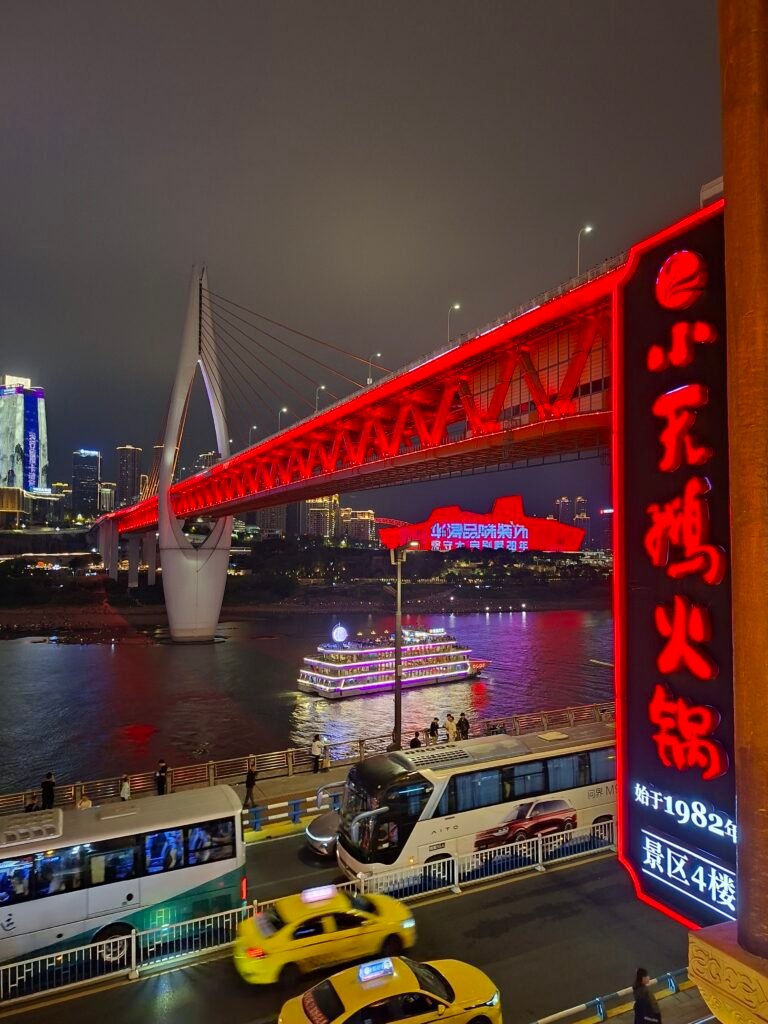
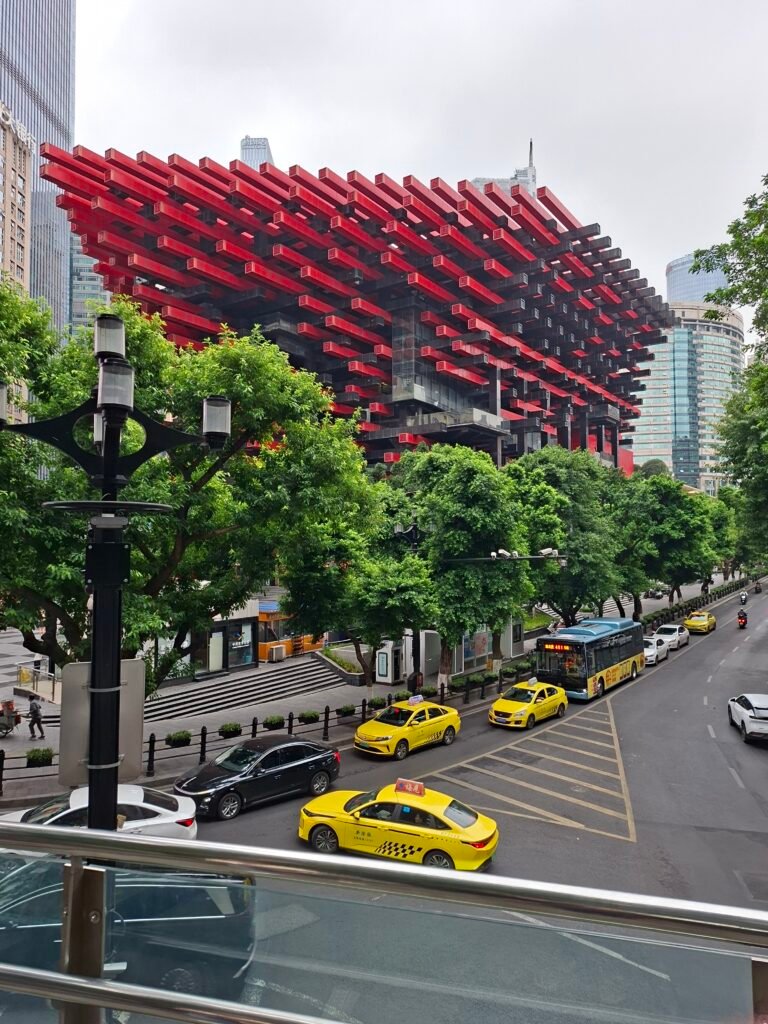
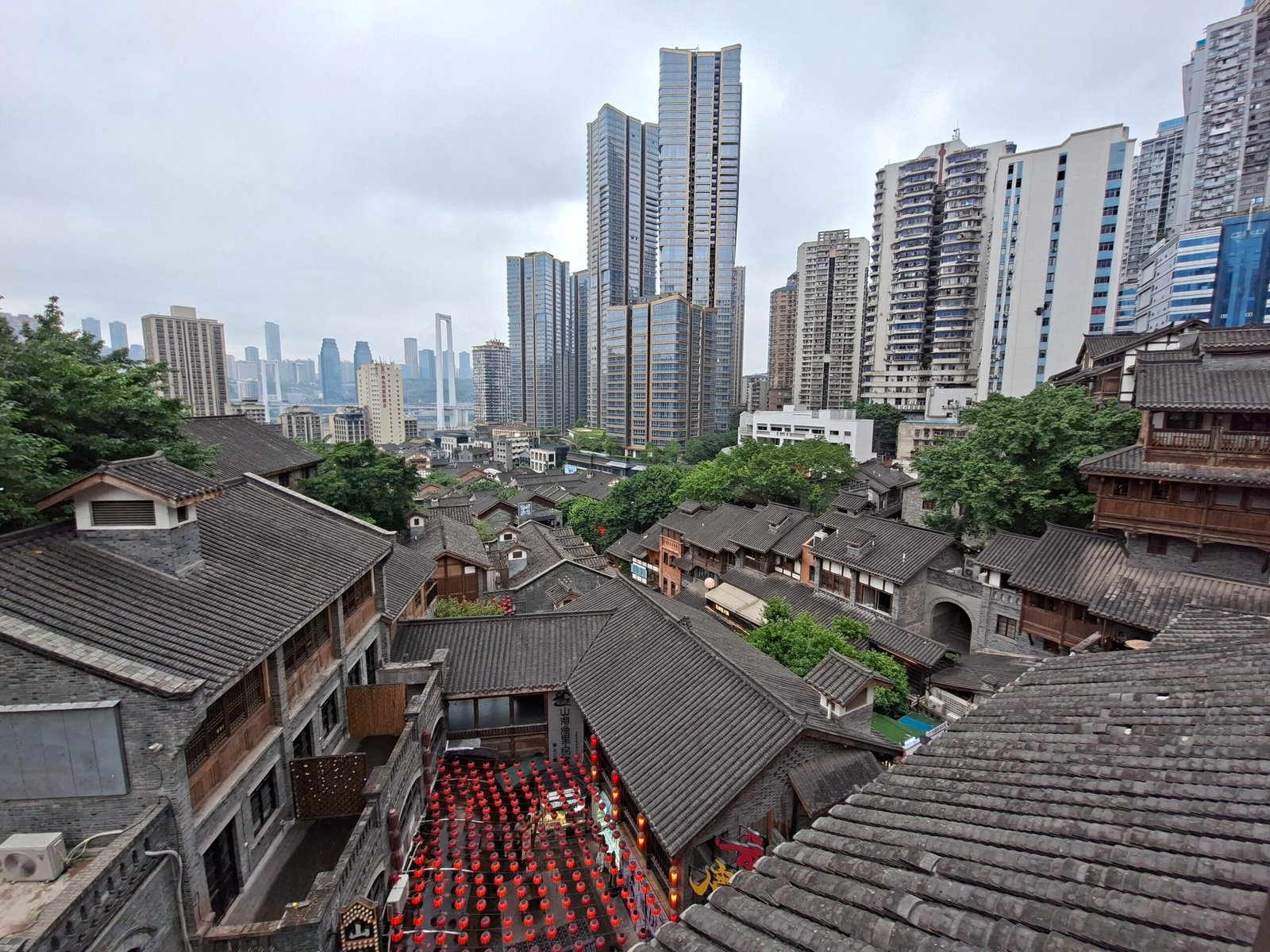
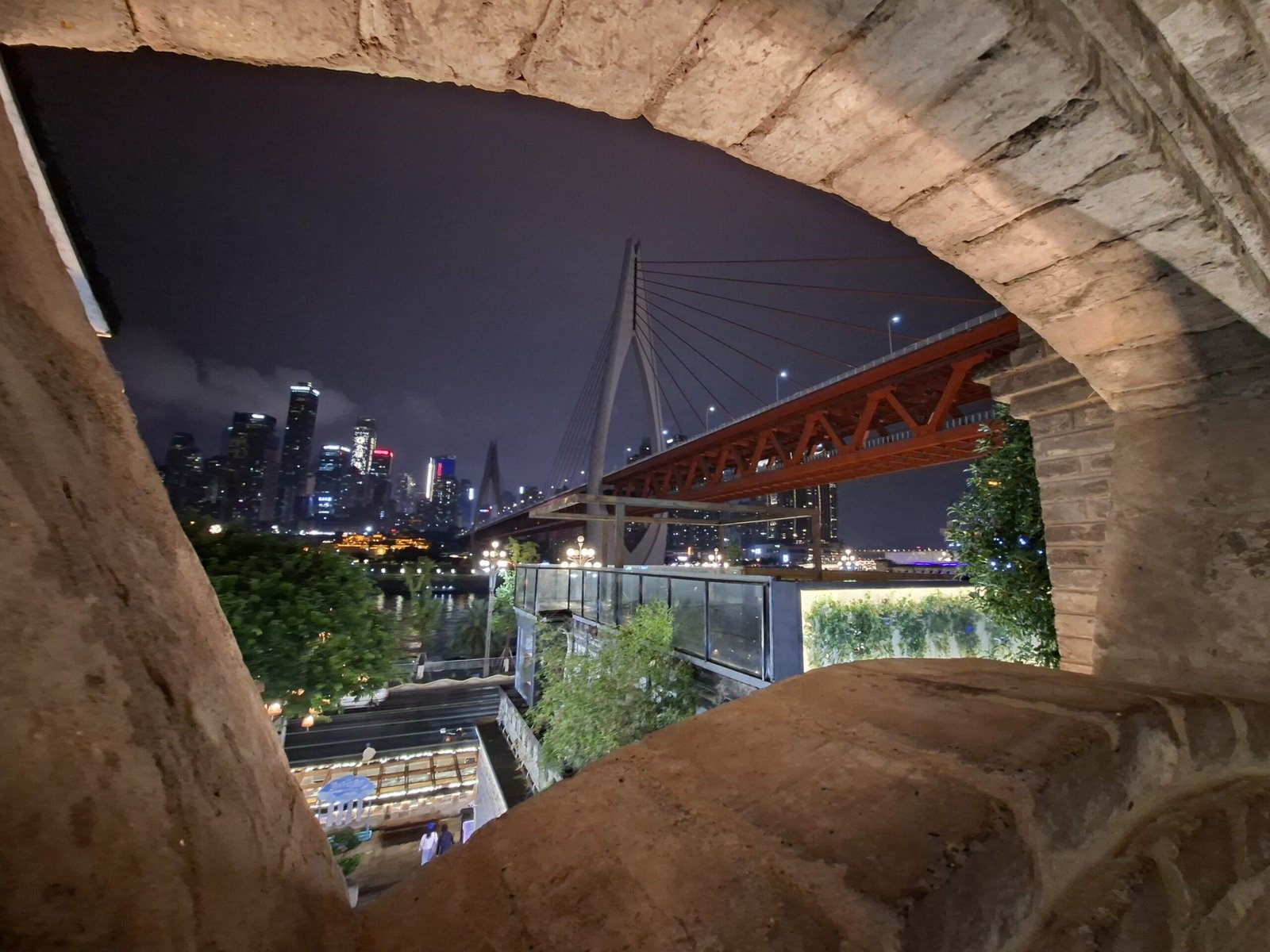
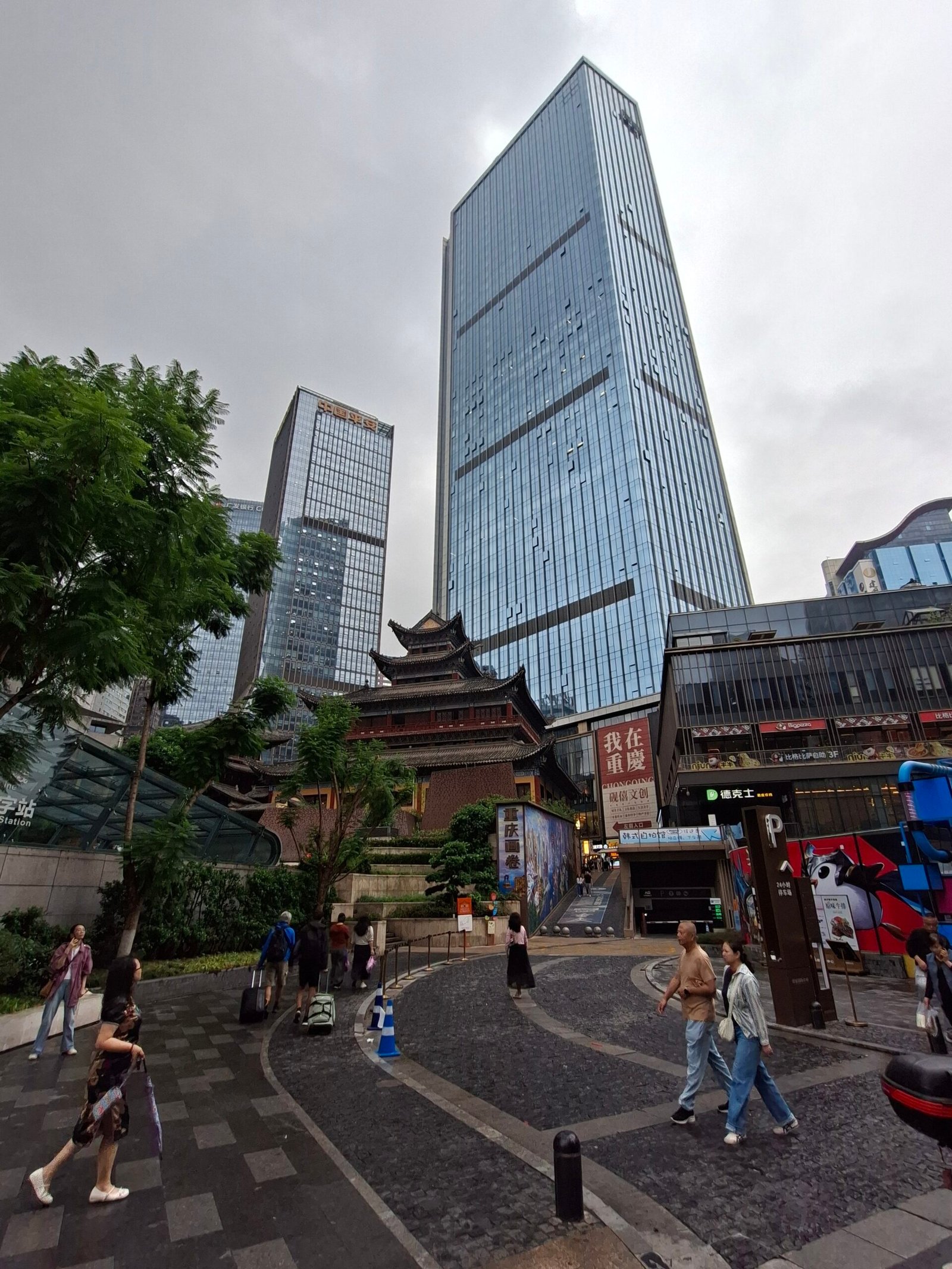
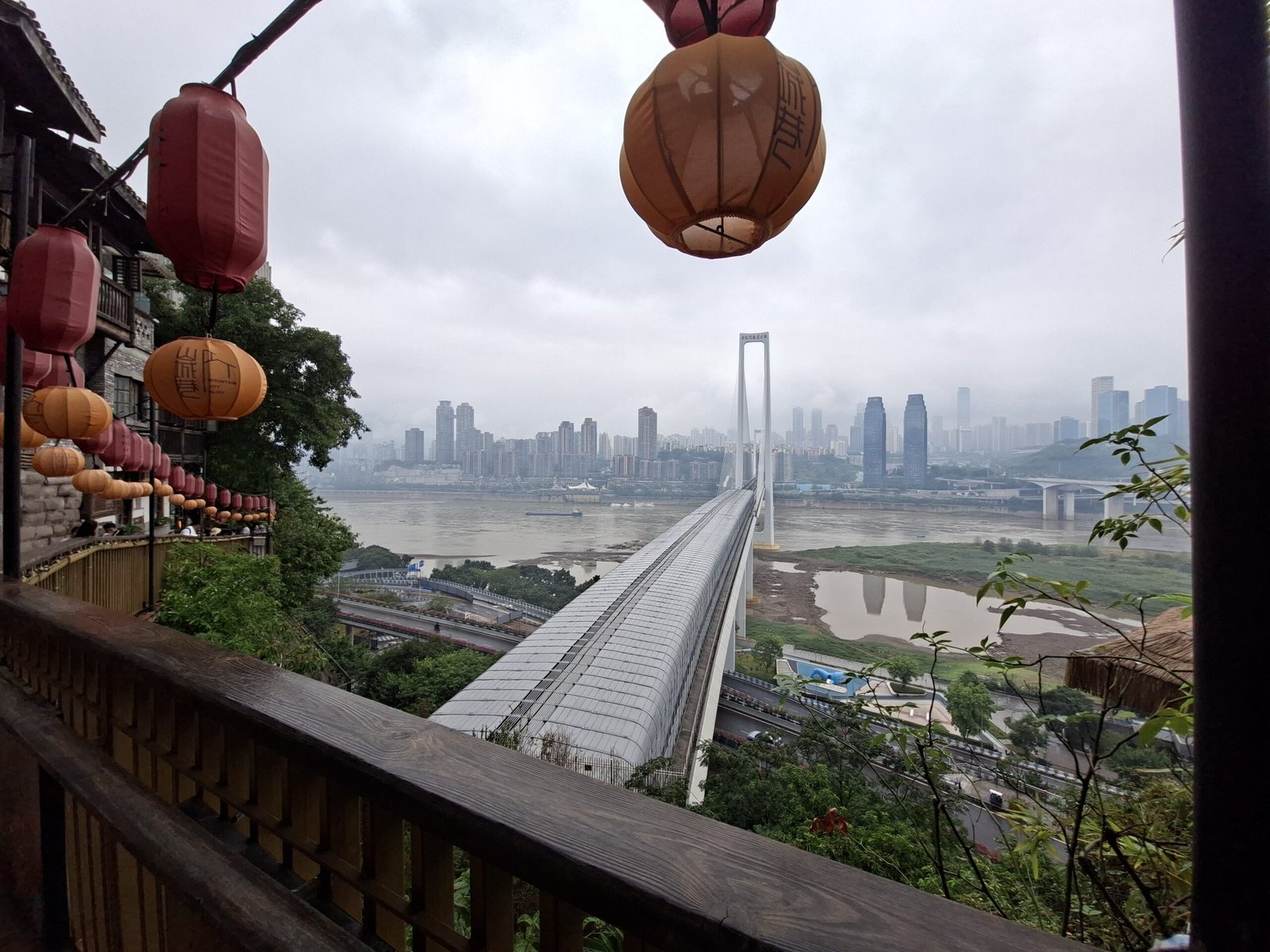
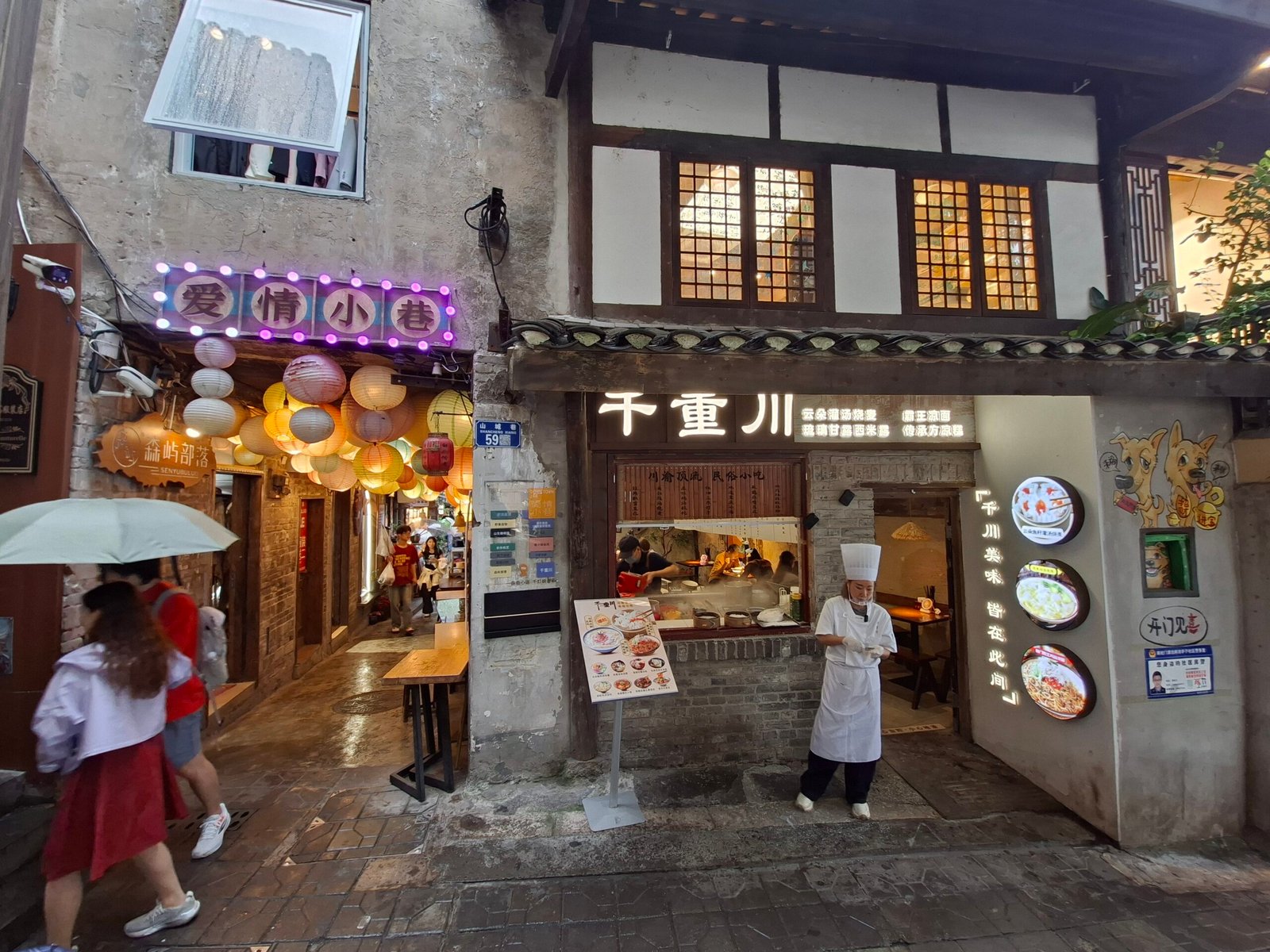
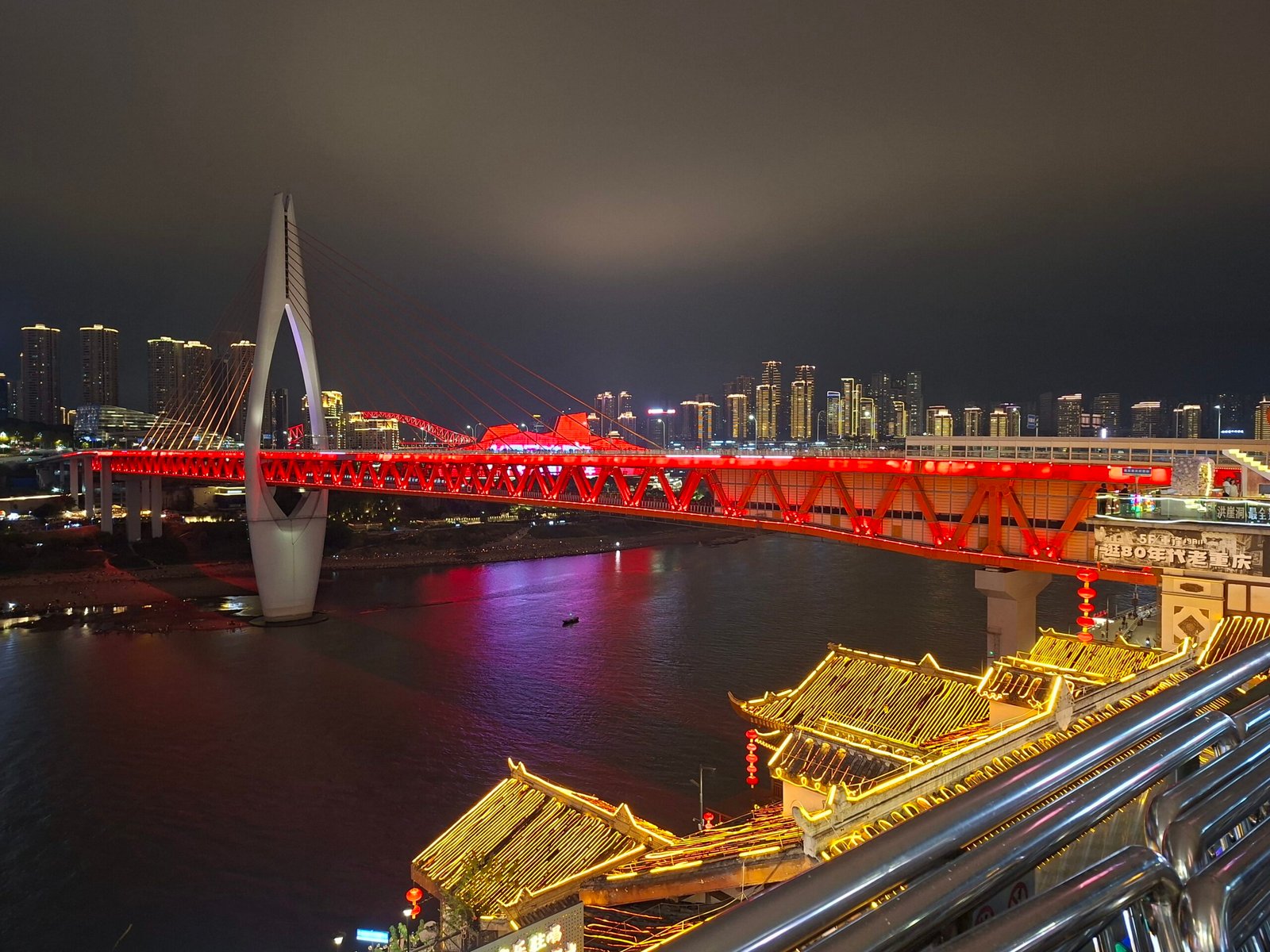
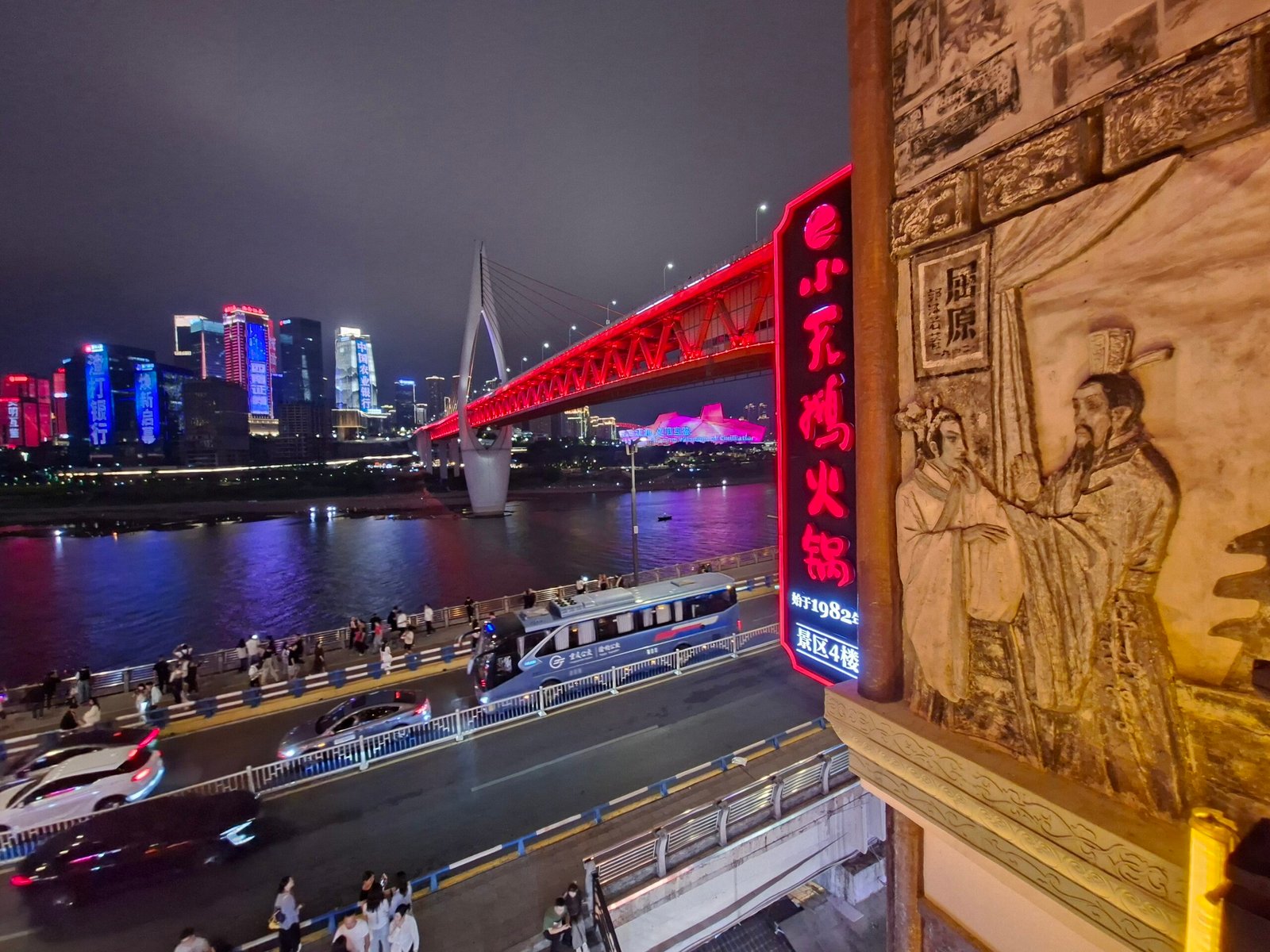
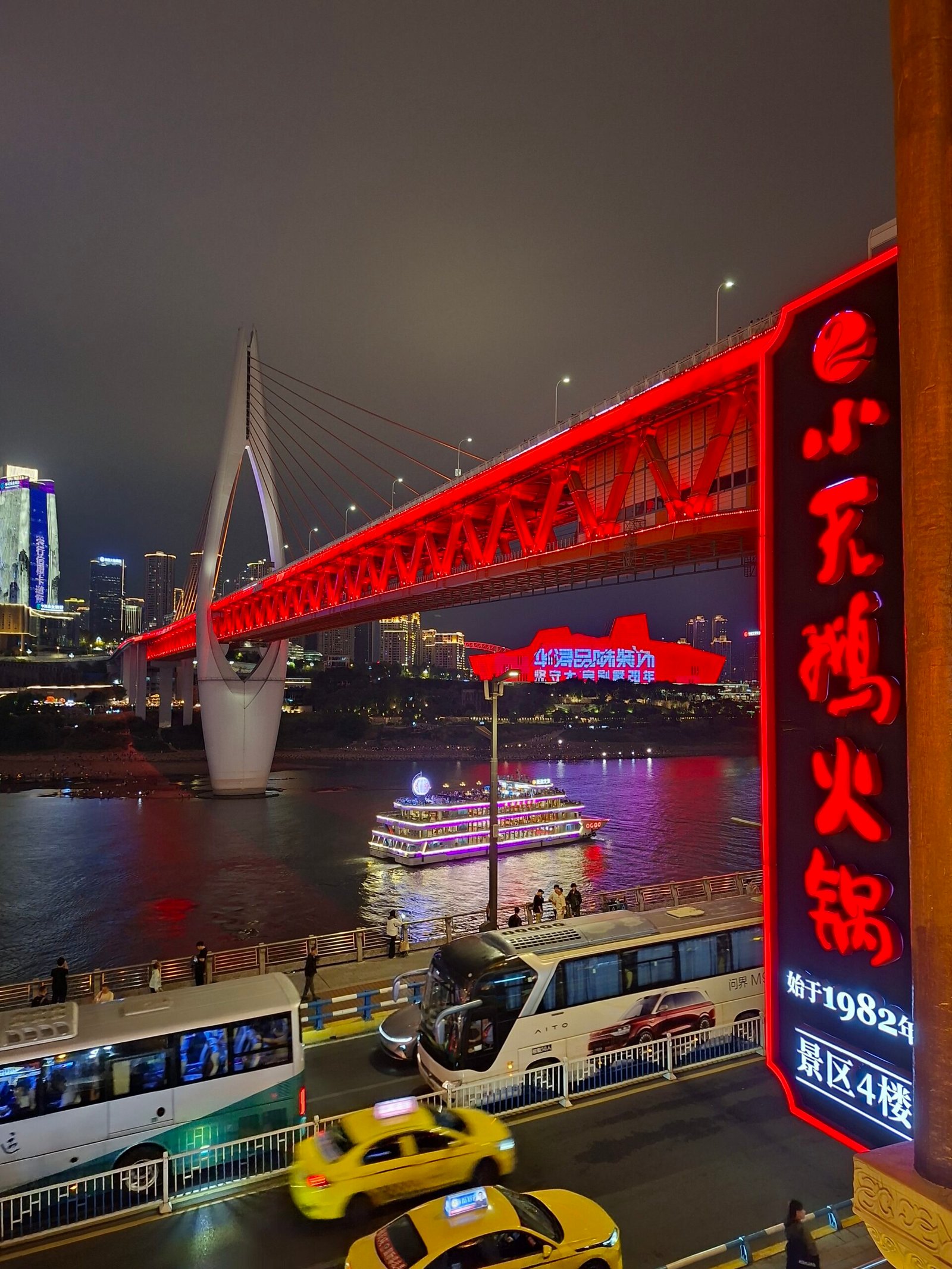
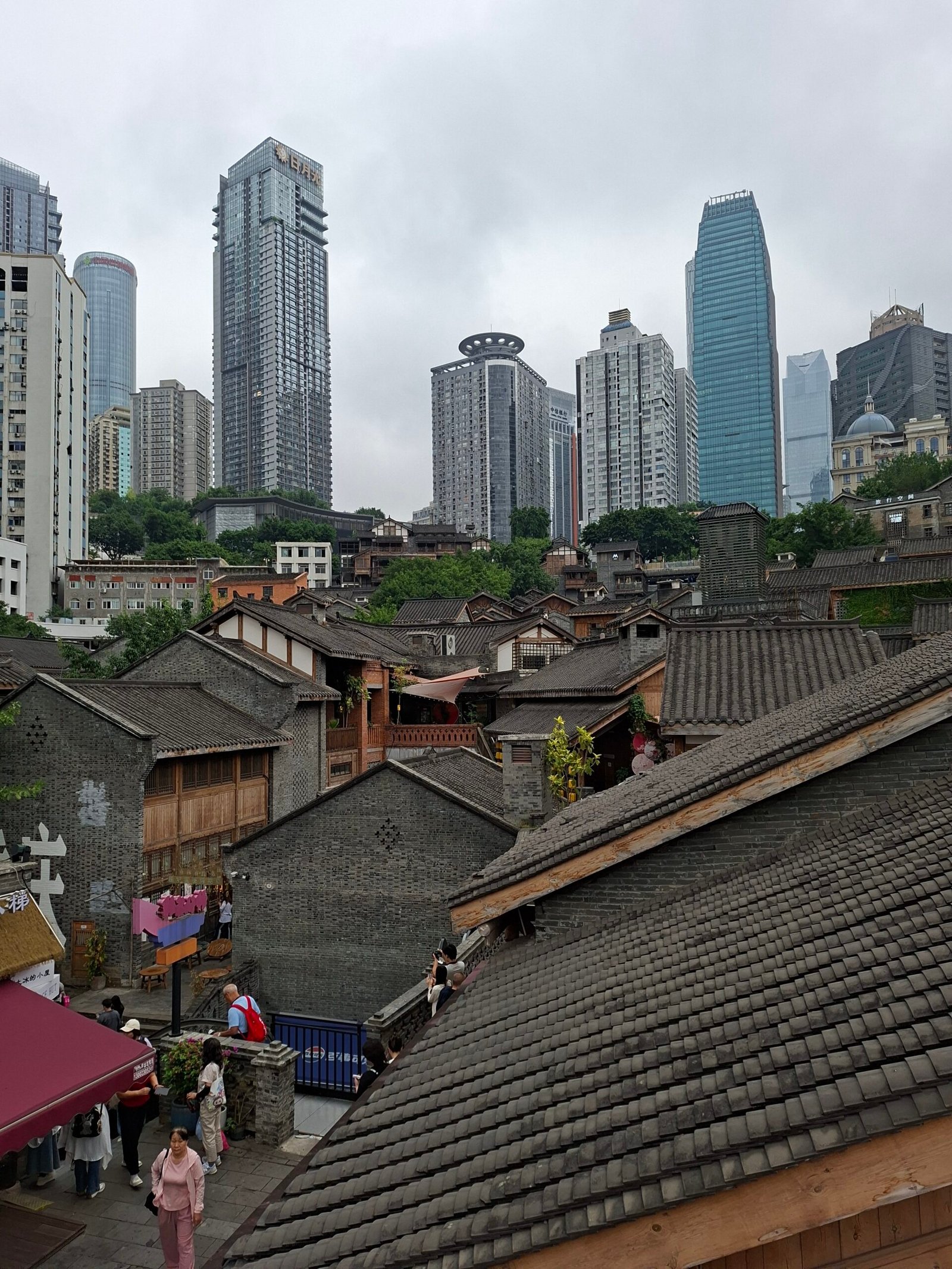
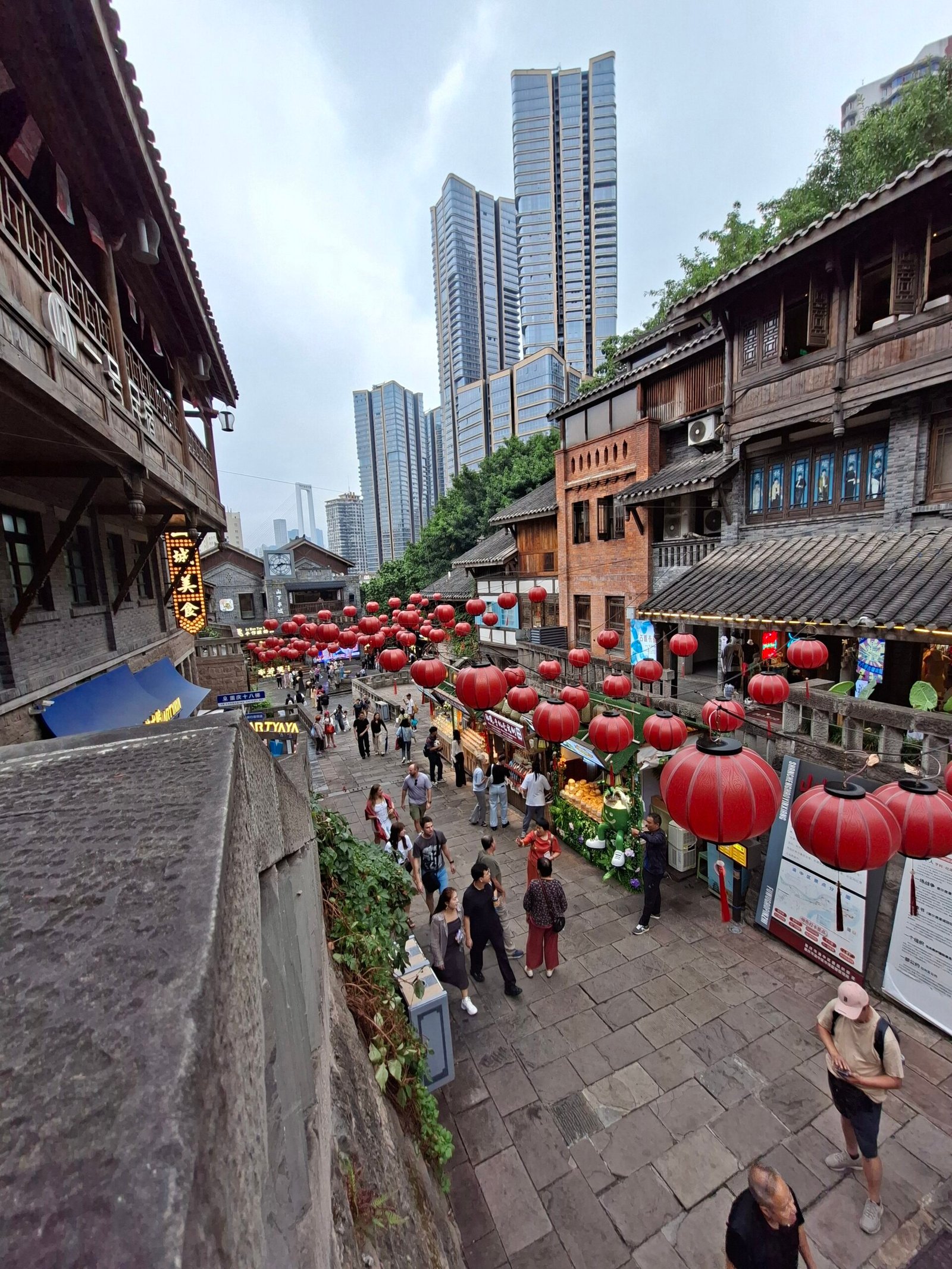
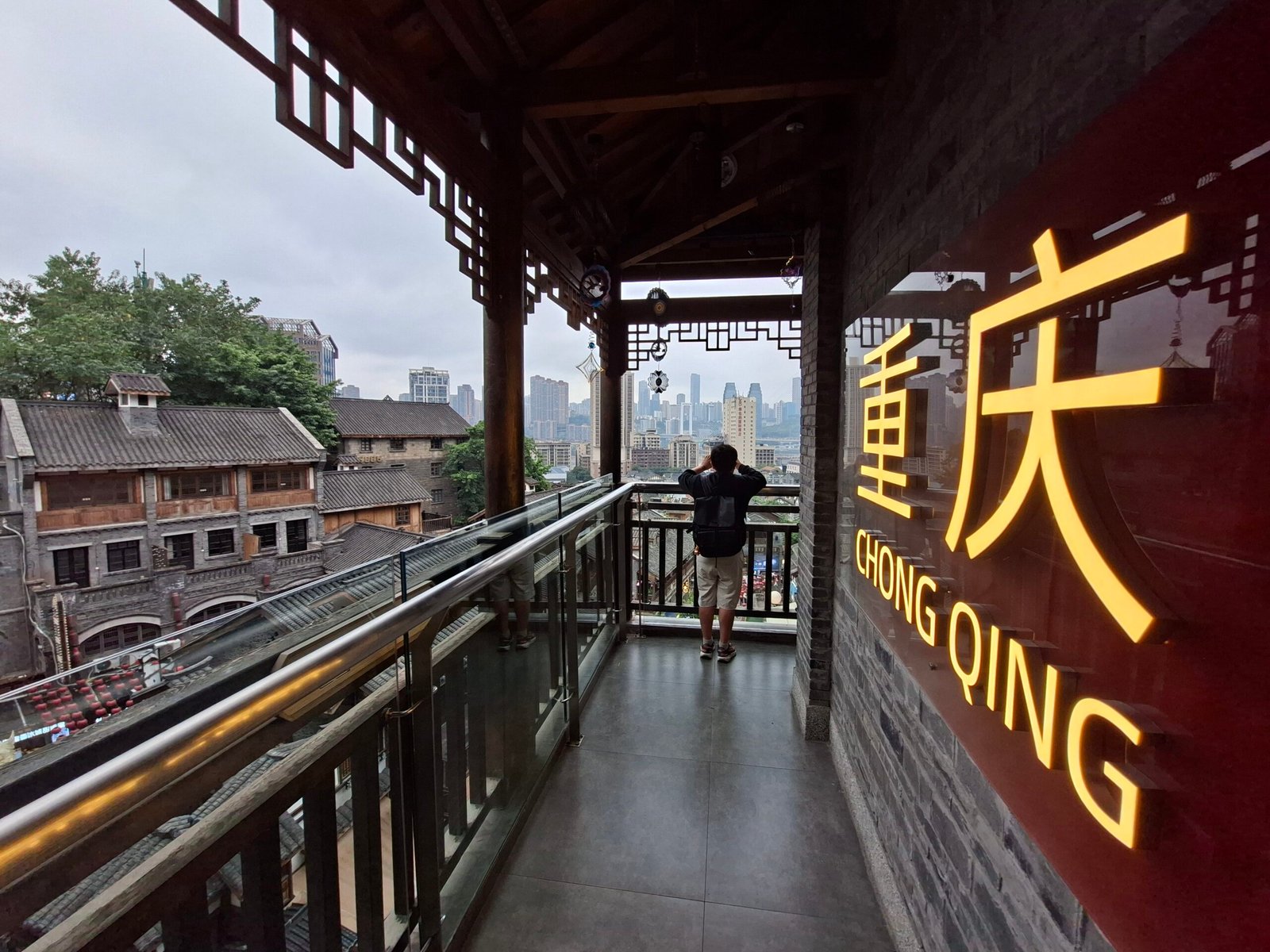
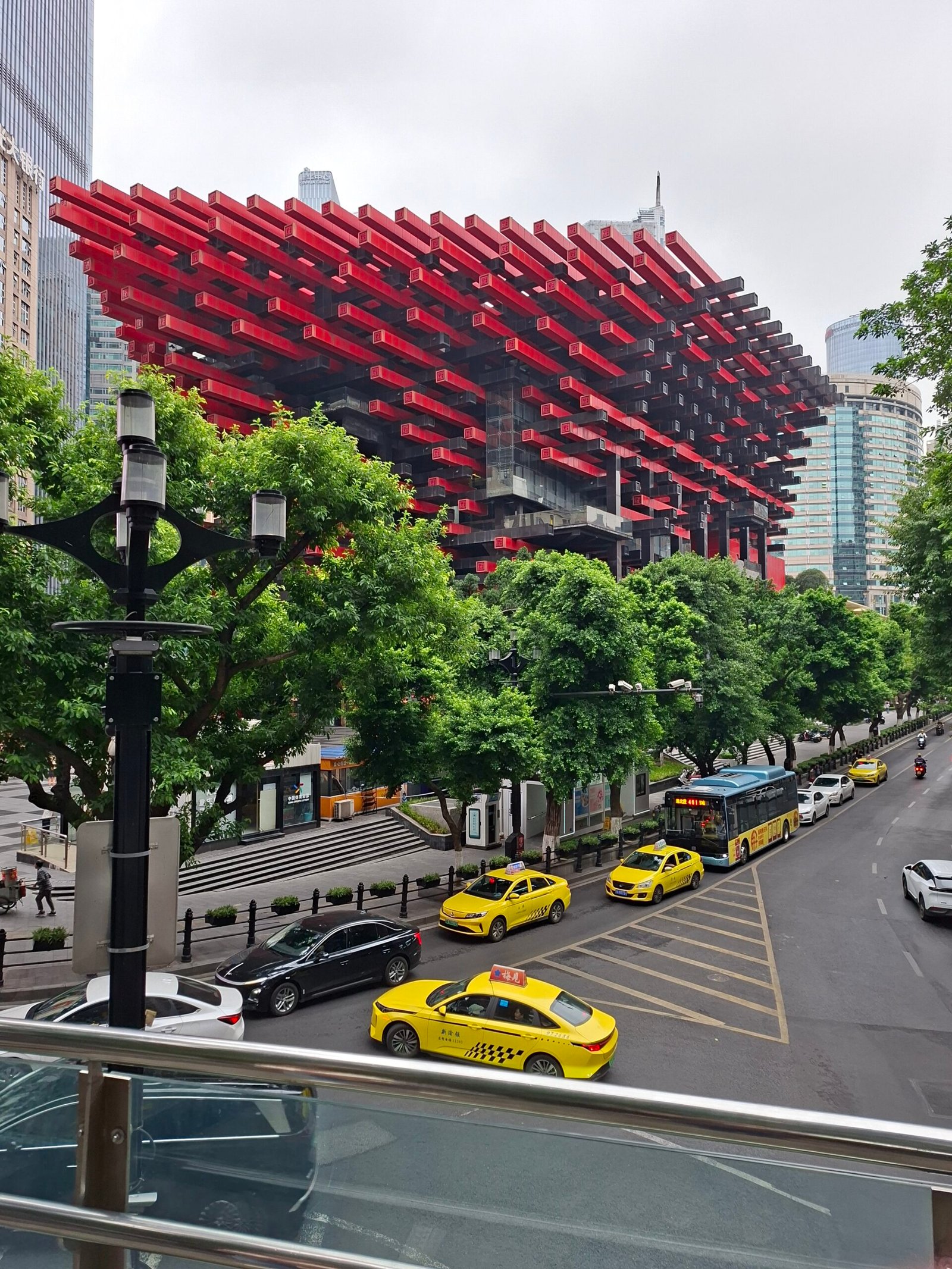
The first thing that struck me was the scale of the city. Chongqing is built around hills and rivers, with roads, buildings and walkways seemingly stacked on top of each other. You can enter a building at what feels like ground level, take a lift twenty floors up, and somehow walk out at street level again.
I was born in Hong Kong and had been back fairly recently, so the combination of dense development, hills and water felt slightly familiar. But Chongqing was still unlike anywhere I’d been before.
A huge city that’s strangely quiet
One of the strangest things about Chongqing was how quiet it could be. I expected a city of that size and density to come with constant traffic noise, engines and horns, but the streets could be surprisingly peaceful.
A big part of that seemed to be the number of electric cars, buses and scooters. There were huge numbers of vehicles on the roads, but much less engine noise than I’m used to. Electric scooters would regularly appear almost silently behind us, which took some getting used to.
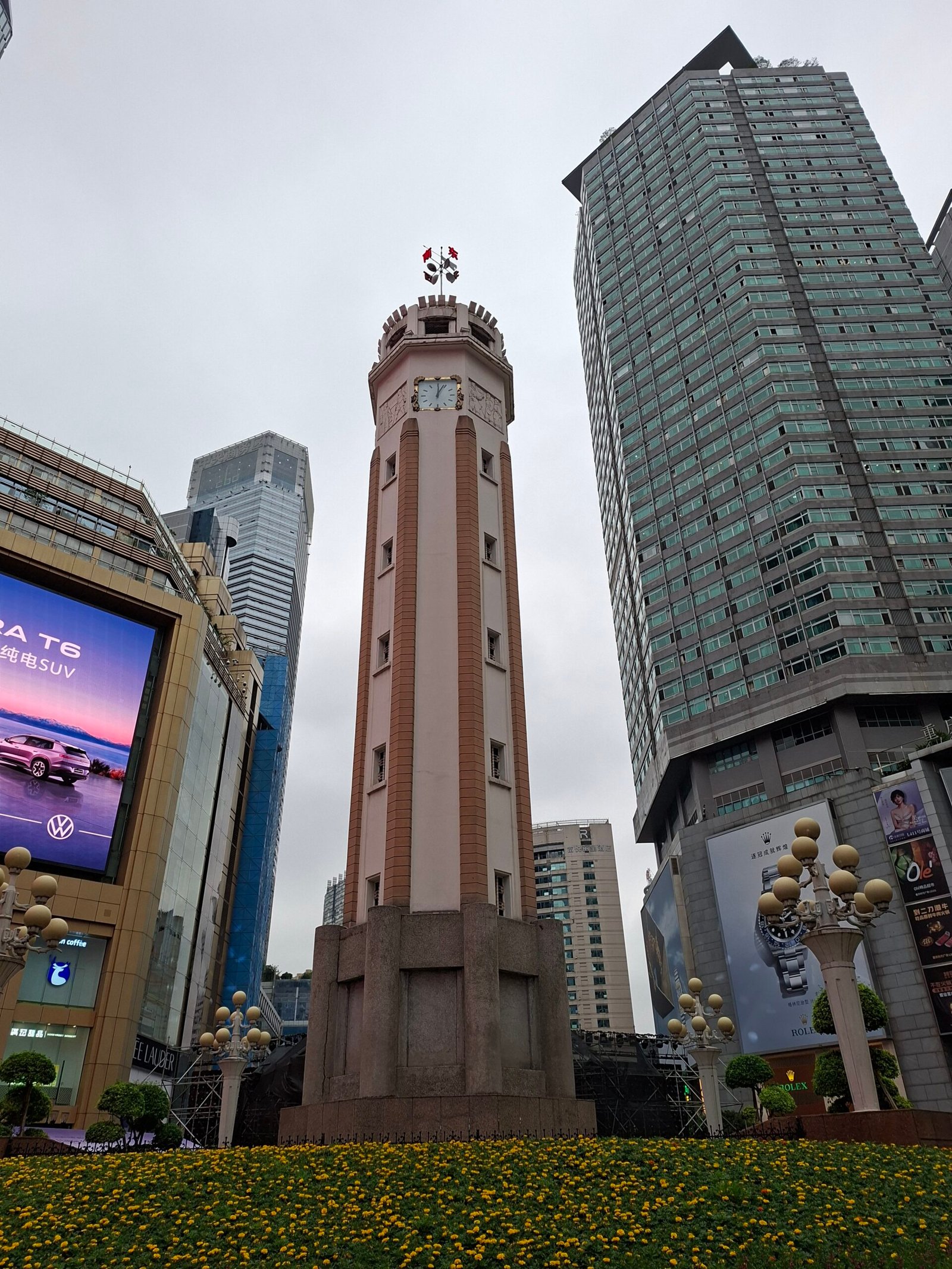
It was a strange contrast. Chongqing looks incredibly intense, with enormous buildings, elevated roads, bridges and layers of traffic, but it often didn’t sound the way I expected it to.
Eating in Chongqing
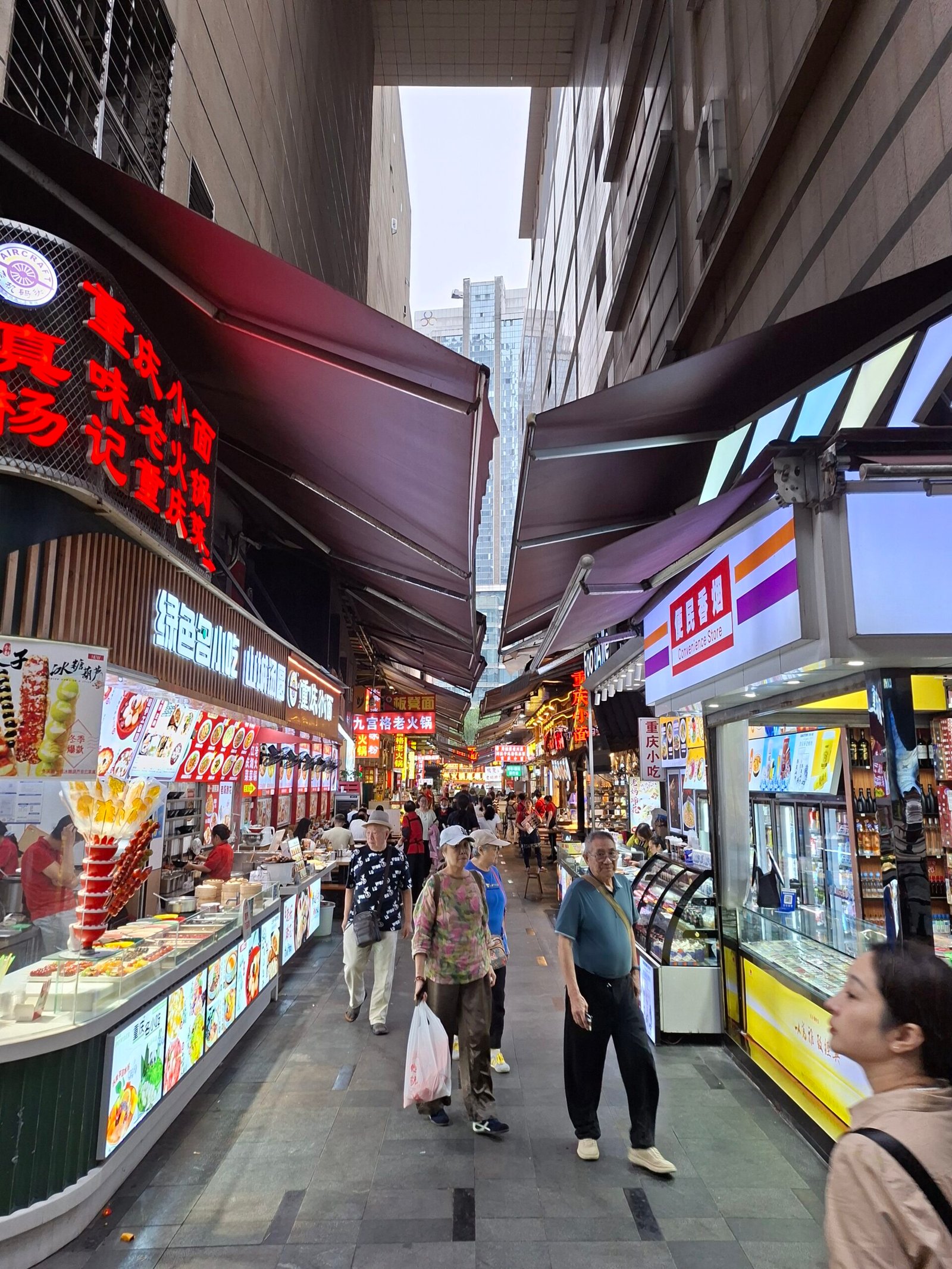
Chongqing is famous for its food, particularly hotpot, but I knew before arriving that the amount of chilli might be a problem for me.
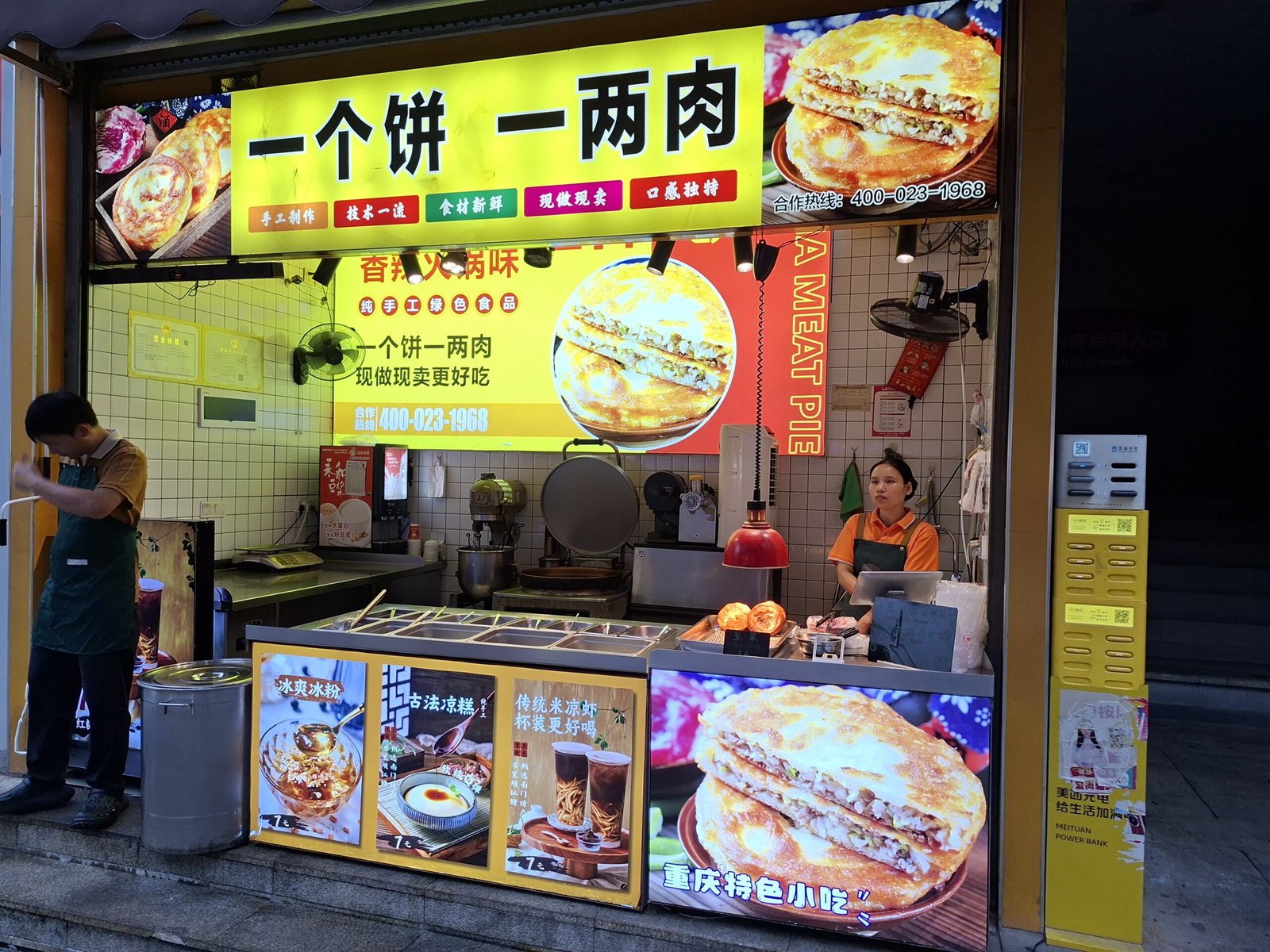
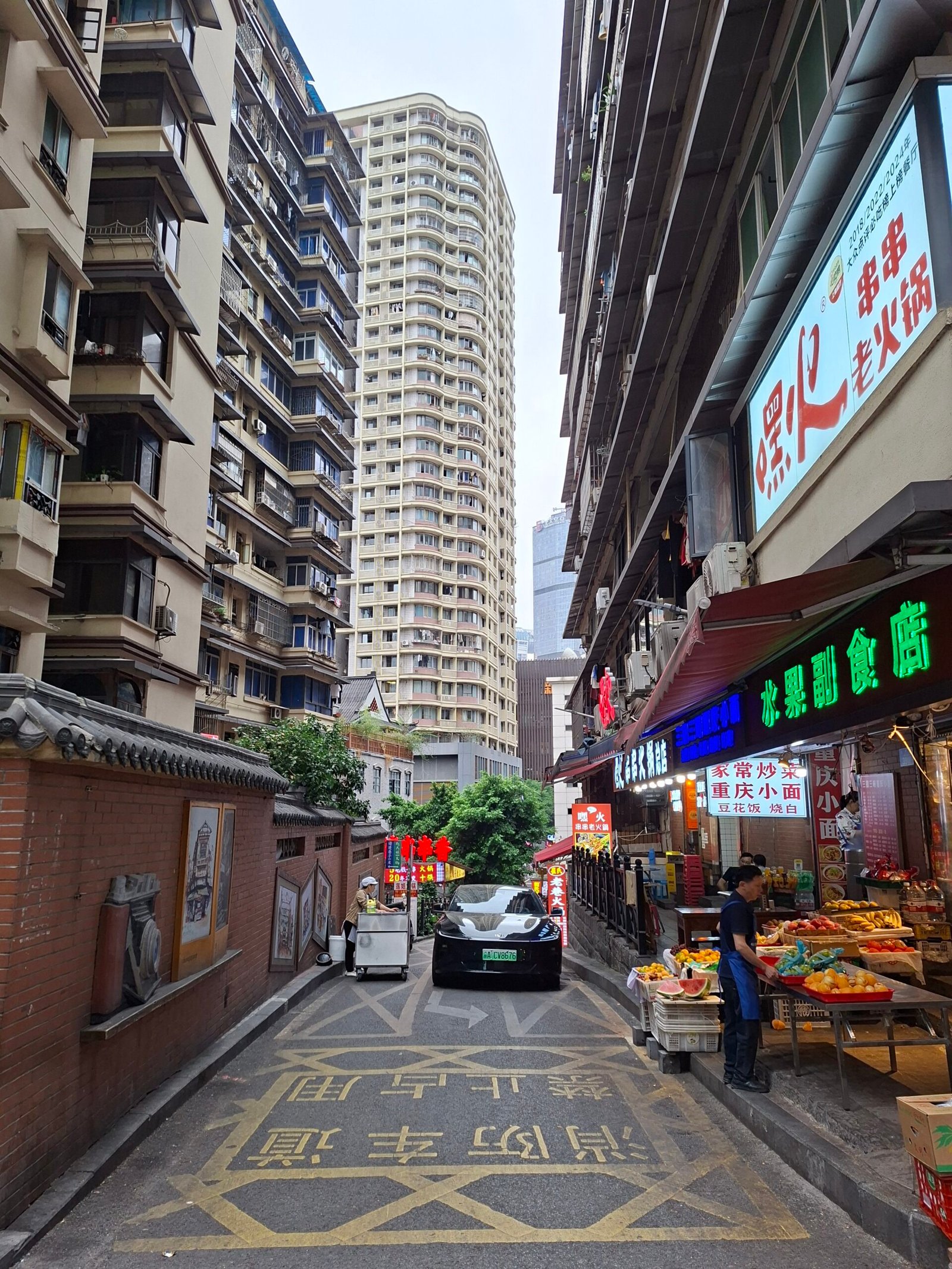
In practice, finding food was incredibly easy. Restaurants and small eateries seemed to be everywhere, and with a translation app and at least one of us having a working Alipay account, eating wasn’t particularly challenging.
Avoiding chilli was sometimes more difficult. Asking for something to be “not spicy” didn’t necessarily mean it would arrive with no chilli in it, although we generally managed.
One thing took me a few days to notice: I barely saw alcohol. I hadn’t been offered a beer, I didn’t remember seeing alcohol prominently displayed in restaurants, and I don’t think I saw anything I would describe as a conventional bar.
Coming from Cambodia, and before that the UK, that felt unusual. We weren’t looking for nightlife, and I’m sure Chongqing has plenty of places to drink, but alcohol just didn’t seem particularly visible in everyday life.
Wulong
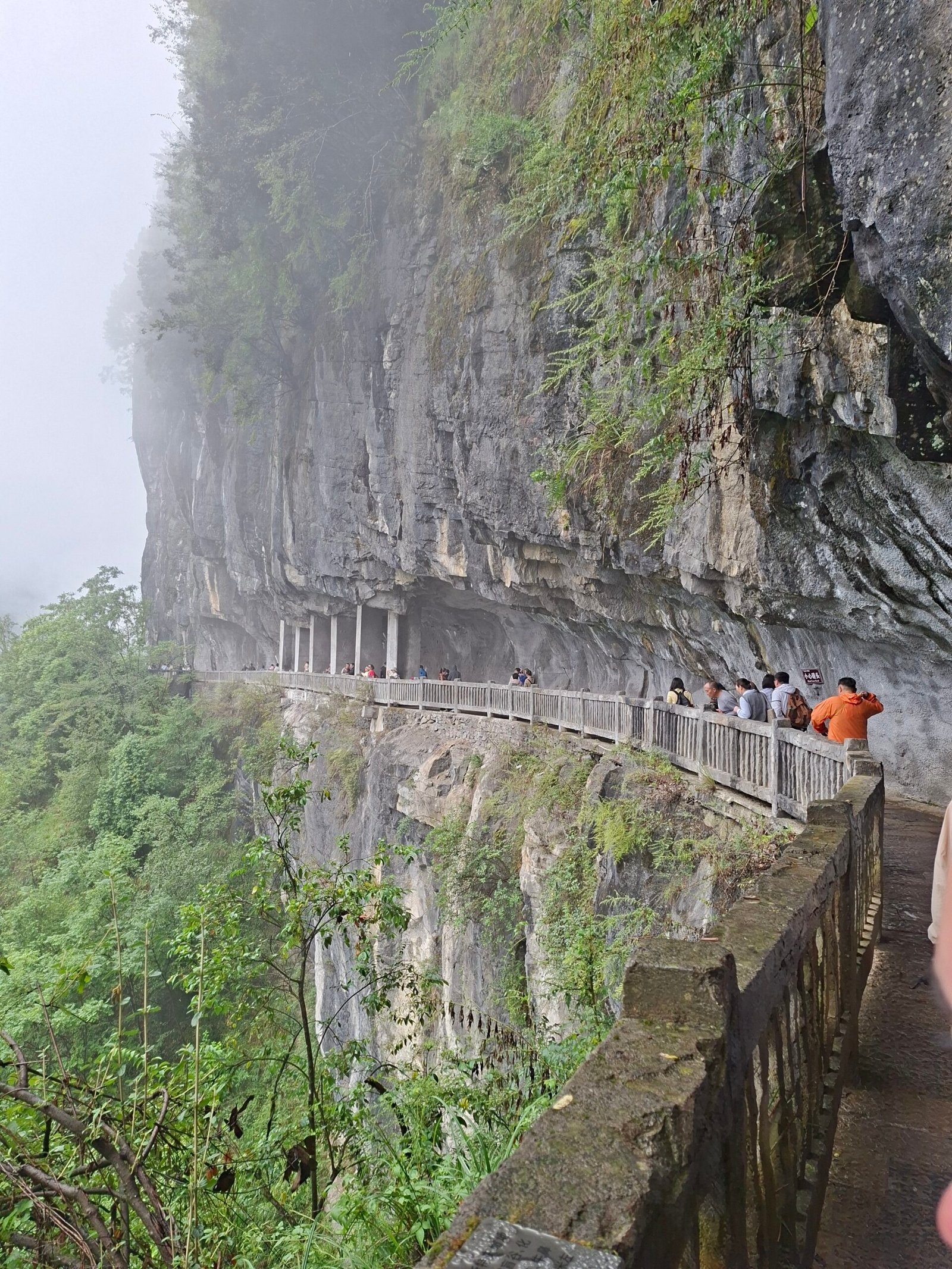
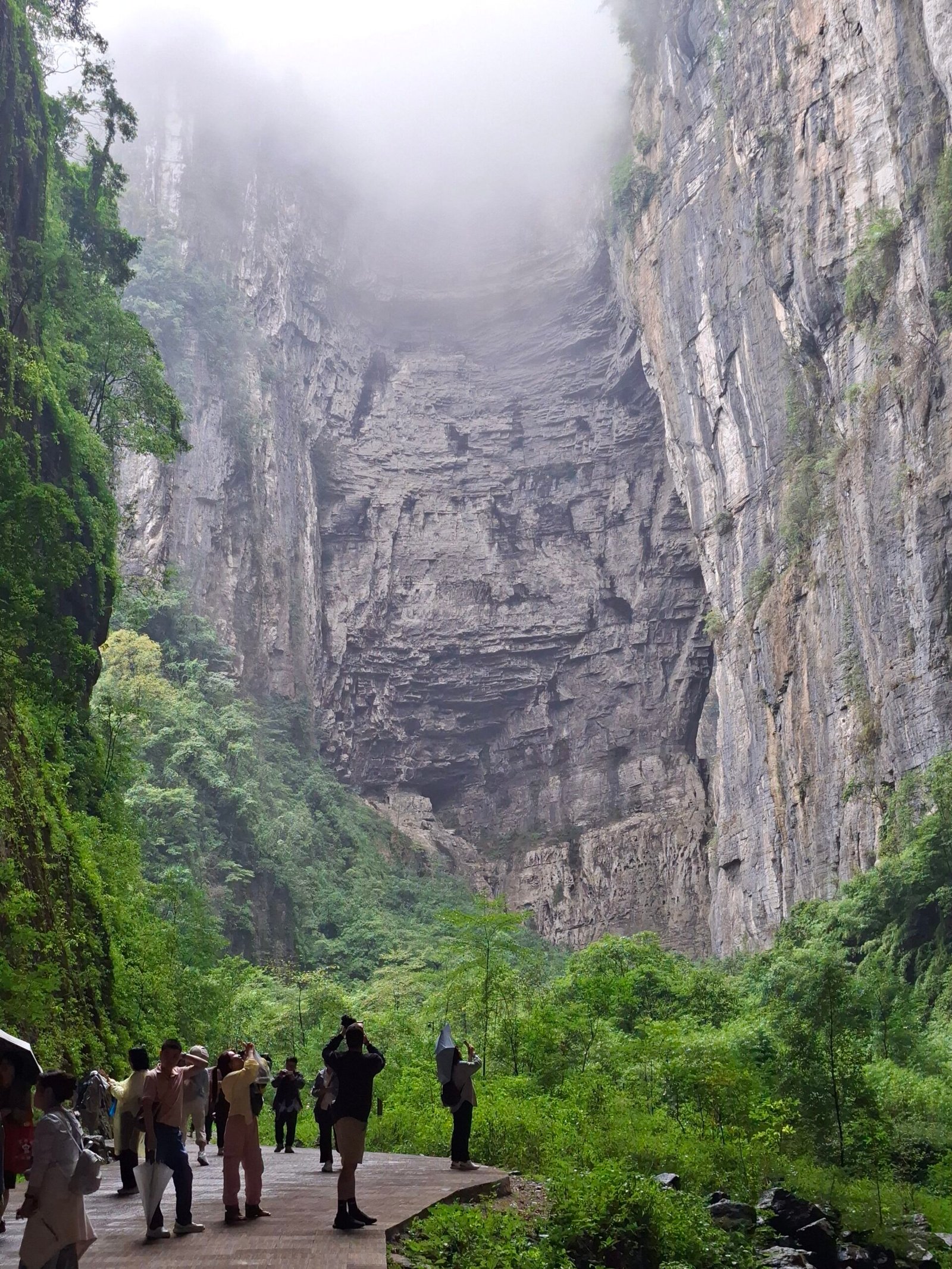
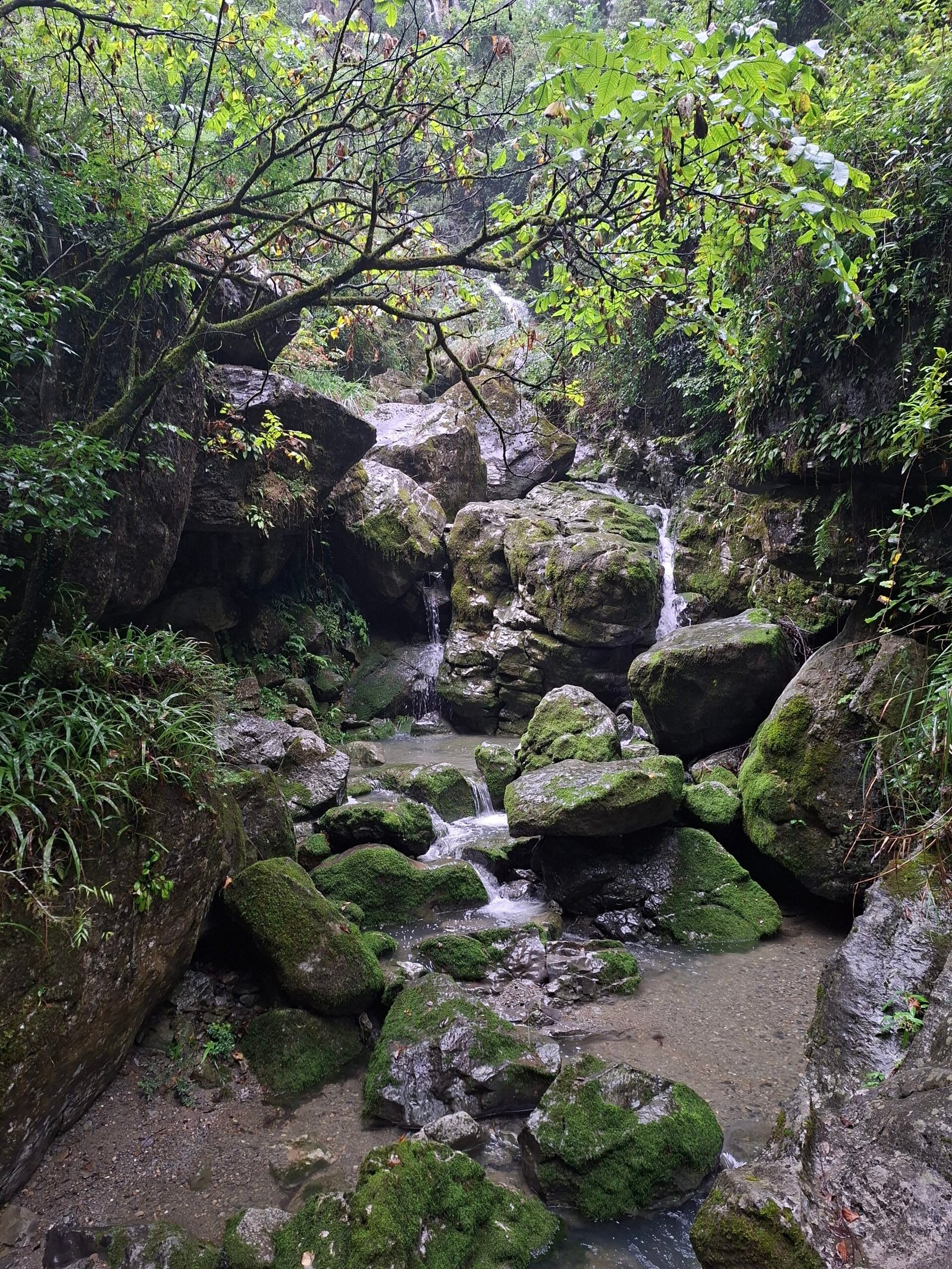
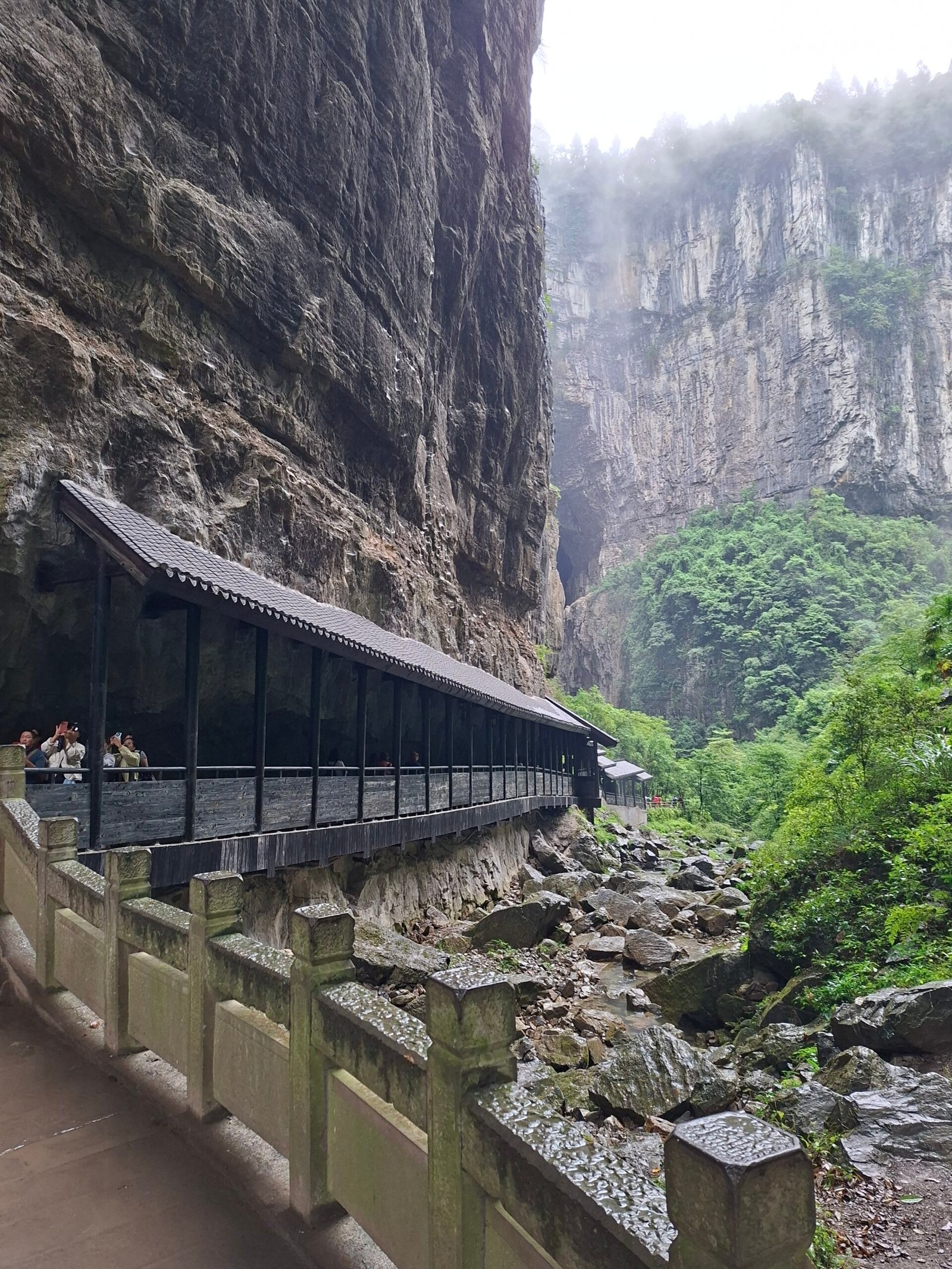
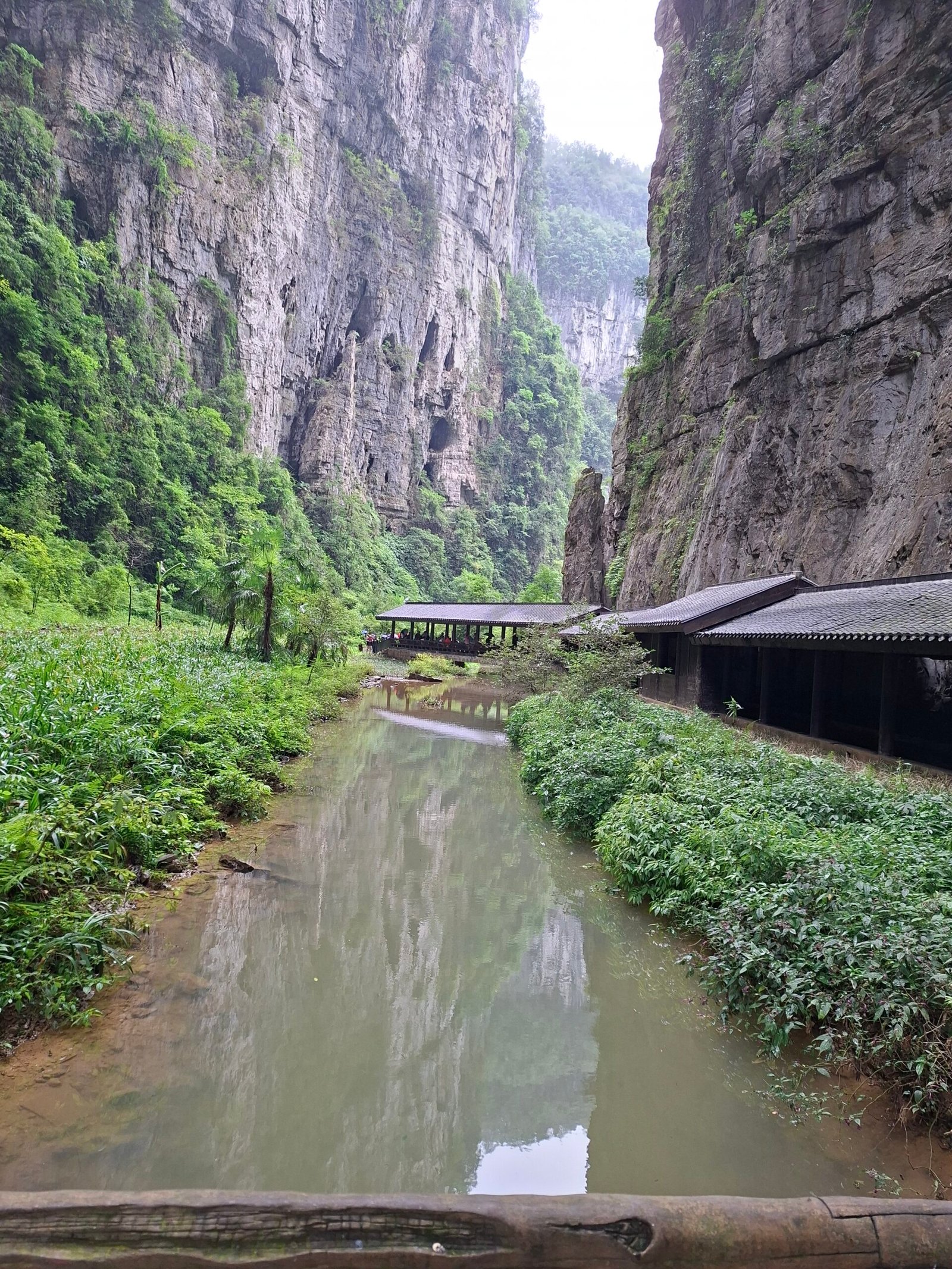
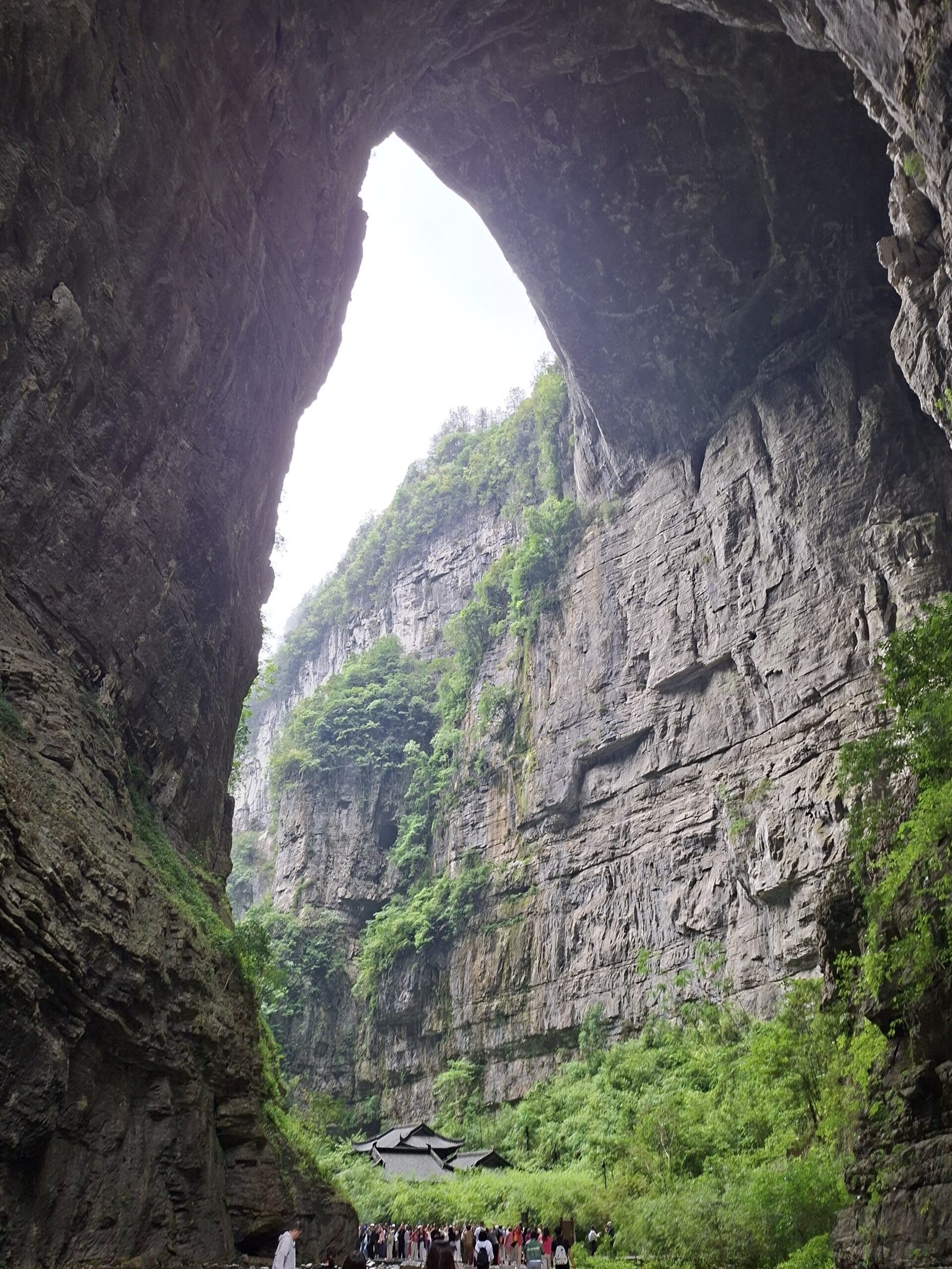
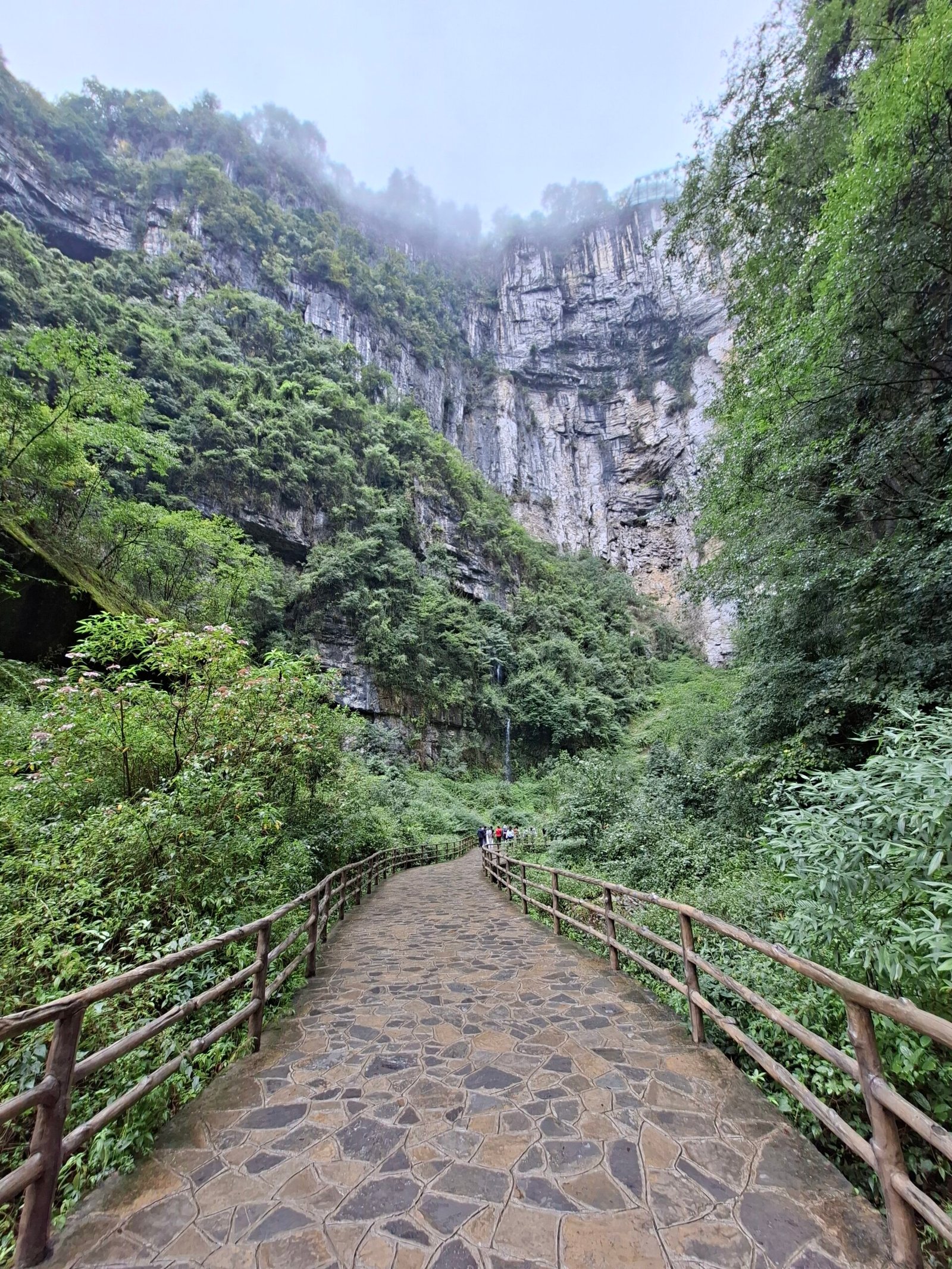
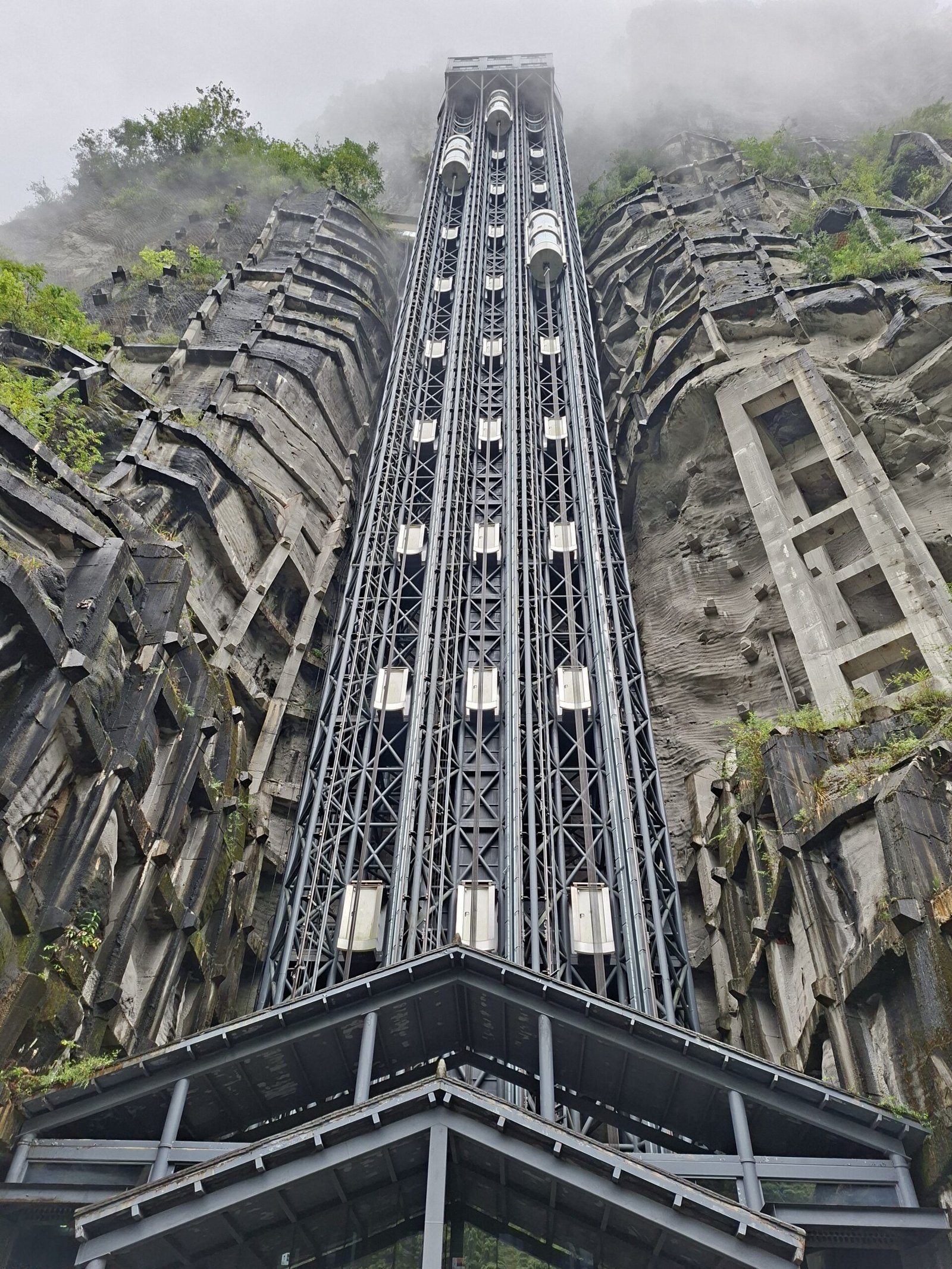
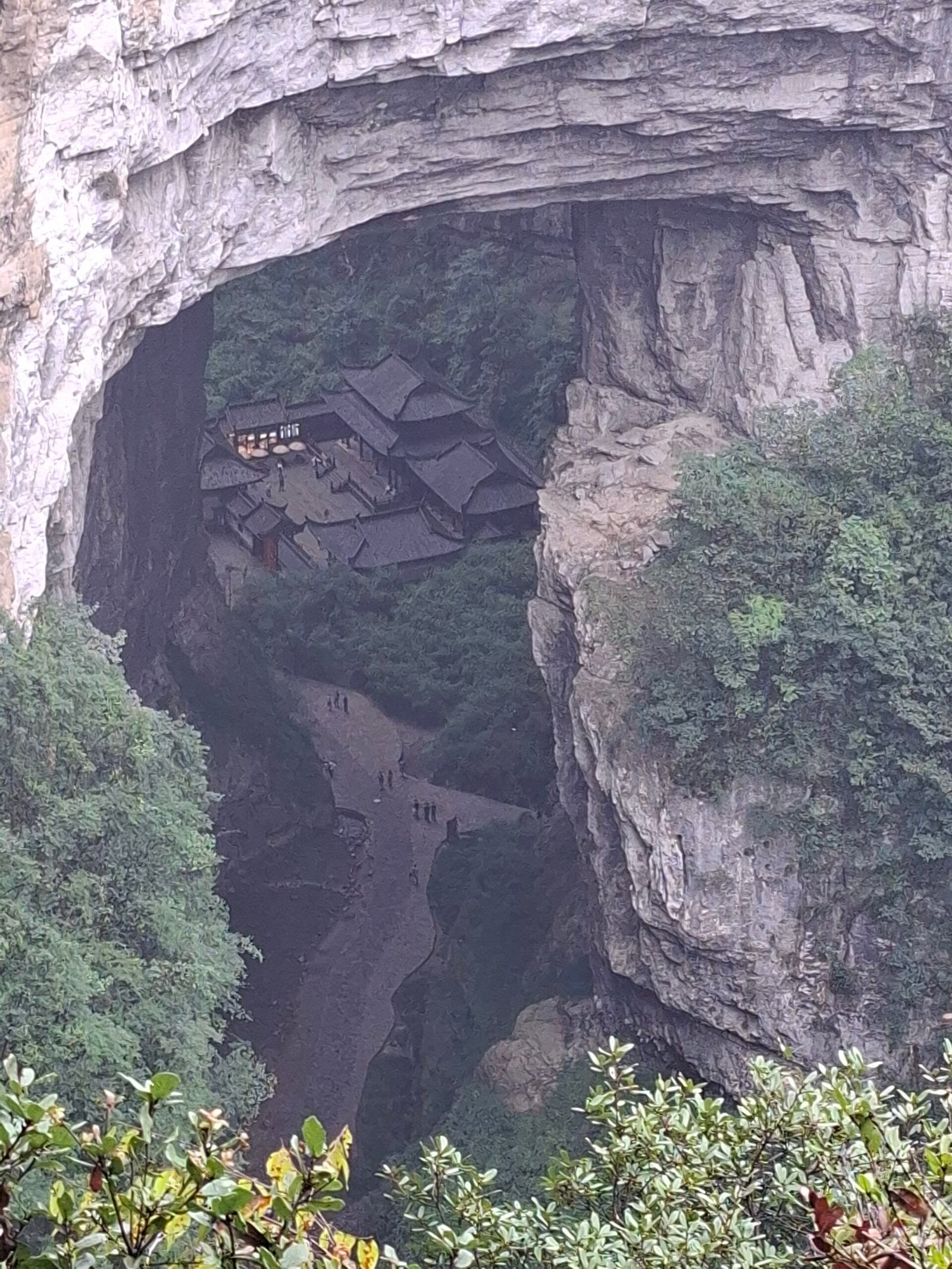
After a few days in Chongqing, it was really nice to get out of the city. We took a day trip to Wulong and visited the Three Natural Bridges, a huge karst landscape of cliffs, natural stone bridges and deep valleys.
After the density and scale of Chongqing, being surrounded by greenery and mountains felt like a complete change of pace. Wulong was probably one of the most impressive places we visited on the trip, and somewhere I’d happily spend more time.
Photography - why I didn't bring my camera
Shortly before the trip I’d bought a DJI Pocket for some of the blogging-style video work I do, and I’d also recently bought a new phone, a Samsung Galaxy A57. It’s a mid-range phone, but I thought between the two I’d have more than enough to document the trip.
I didn’t take any of my professional camera equipment.
I couldn’t see any commercial reason to take professional photographs in China, and I don’t really take photographs casually when I’m carrying my work equipment. Once I have a professional camera in my hands, I’m working. This was a holiday.
I suppose it’s a bit like a chef not necessarily wanting to come home and cook an elaborate meal after spending all day in a kitchen.
Sunglasses as a camera filter
I hadn’t thought much about the decision until Wulong, when I saw the first thing on the trip that made me want to create a particular photographic effect.
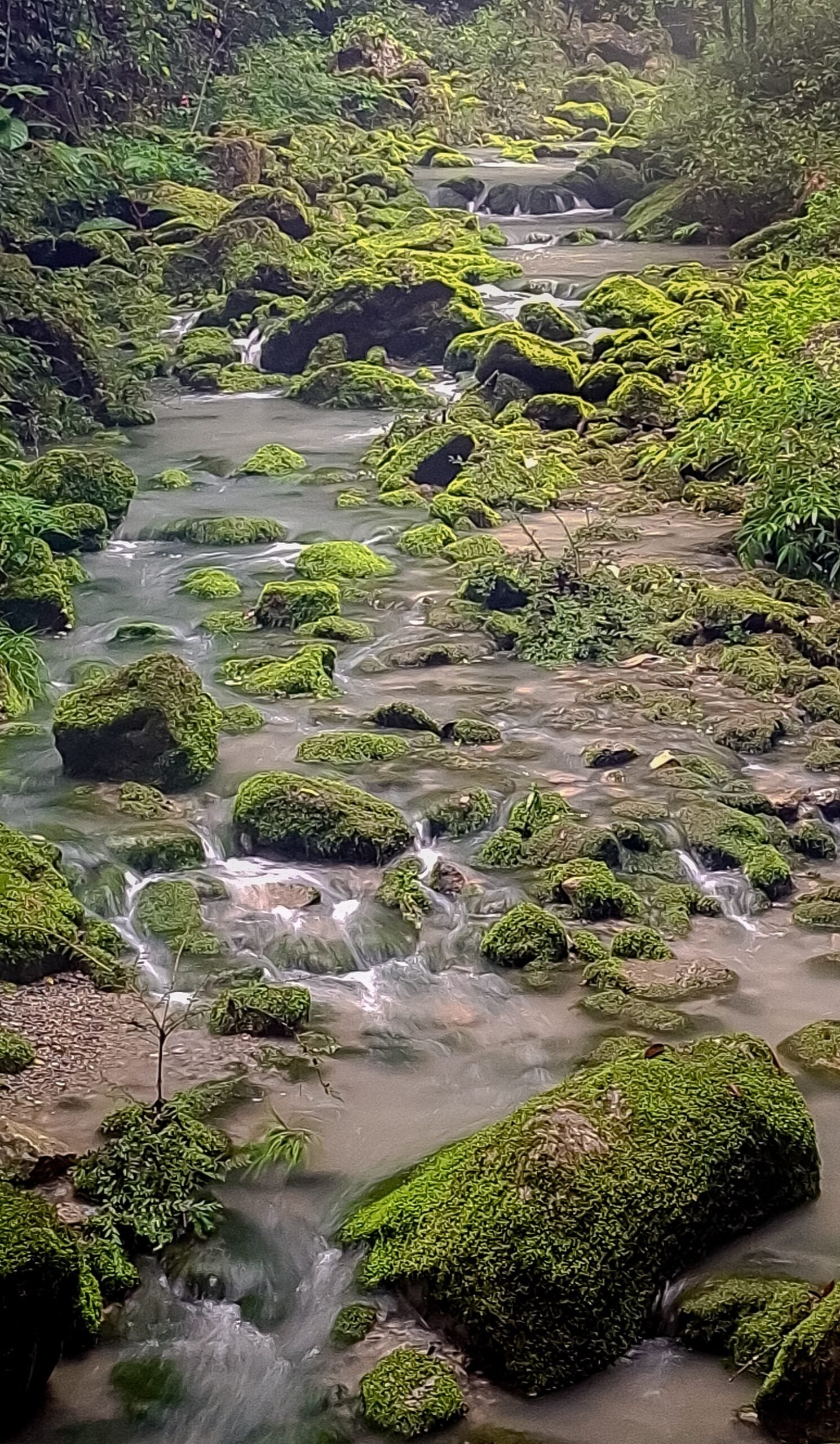
There was a waterfall and I wanted to use a slow shutter speed to blur the moving water. Normally I’d use a camera, tripod and ND filter. I had none of those things with me.
So I improvised.
I put my sunglasses over the lens of my phone to reduce the amount of light reaching the camera, which allowed me to use a longer exposure. And it worked surprisingly well.
Looking at the photograph on my phone, I was genuinely impressed. It looked great.
When I later looked at it on a larger screen, the limitations became much more obvious. It wasn’t remotely comparable to a photograph from my Sony at full resolution.
But that made me wonder: does that actually matter?
Most photographs today are viewed on phones. They’re posted online, looked at for a few seconds on a small screen and then replaced by the next image.
If a photograph looks great at the size at which almost everyone will actually see it, how important is the additional image quality provided by professional equipment?
I’m a professional photographer, so that’s an interesting question for me. Phones, computational photography and AI are improving incredibly quickly, while professional cameras and lenses remain large, expensive pieces of equipment designed to produce levels of image quality that many people may never actually see.
I have quite a few thoughts about what that means for professional photography, photographers and the equipment we use, but that’s probably another article.
Coming soon:
The future of professional photography and camera equipment →
geoffgreenwood.com is proudly powered by WordPress